



06 Dec Awakening Embodied Awareness Through Tai Chi: A Path to Balance, Vitality and Inner Ease
Have you ever noticed how the mind can swirl with thoughts, worries, and endless to-do lists, leaving the body almost forgotten? In our fast-paced lives, it’s easy to lose touch with ourselves. But what if your body held the secret to feeling grounded, clear, and truly alive again? No matter how long you’ve felt distant from yourself, there is a way back. Tai Chi, with its gentle, flowing movements, isn’t just exercise—it’s an invitation to rediscover your own vitality, balance, and inner peace, one breath at a time.
At first glance, tai chi may appear slow or simple, but within each deliberate movement lies a world of sensation. As you move, your senses awaken, your breath deepens, and anxieties begin to melt away. There’s a quiet wisdom in the body that tai chi helps reveal—a wisdom that can steady you in the most chaotic moments. Let me guide you through this practice and show you how it nurtures embodied awareness, emotional resilience, and a vitality that radiates from within.
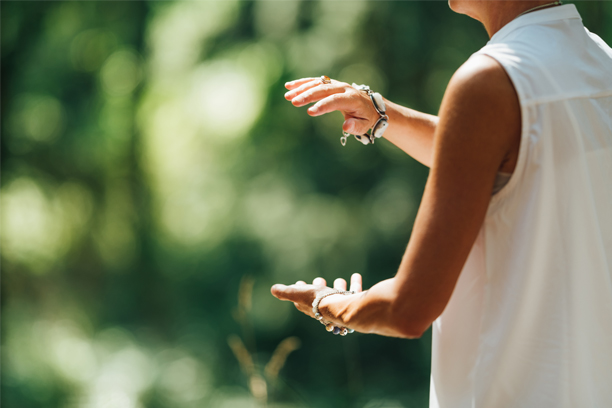
The flowing movements of tai chi help us build a quieter, more personal relationship with ourselves. Shifting our weight brings attention to our feet. Gently rotating the torso opens up space along the spine. Moving our hands in smooth arcs brings us back to our breath. With practice, this mindful attention becomes a way to rediscover sensations that may have been dormant. Our posture improves, our breathing slows and deepens, and we start to notice the difference between tension that protects us and tension that drains us. Little by little, tai chi helps us feel more at home in our bodies—awake, grounded, and present.
What stands out to me is how each physical adjustment toward better balance often matches an emotional release. Over time, tai chi has evolved from a technique into an ongoing conversation between my body, mind, and heart.
Its calming effect on the nervous system is clear. The steady movements slow the breath, make transitions easier, and create more space inside. As the body feels safer and more supported, the parasympathetic nervous system, which handles rest, repair, and emotional balance, naturally becomes active. With regular practice, this sense of calm becomes familiar and reliable, both during tai chi and in daily life.
For people living with long-term stress or trauma, tai chi offers a gentle and caring way to reconnect with the body. Trauma can lead to numbness, tension, or feeling disconnected. While talk therapy is valuable, the body often needs its own way to heal. Tai Chi provides this through slow, grounded movement and paying attention to inner sensations. Because tai chi is non-invasive, self-paced, and respects each person’s limits, it supports the nervous system without overwhelming it. It encourages choice, personal agency, and gradual reconnection, making it a powerful tool for healing and emotional regulation.
Contemporary trauma research, including the work of Bessel van der Kolk and Peter Levine, highlights the importance of restoring embodied awareness as a pathway to healing. Practices that help us gently reconnect with the body, notice subtle internal cues, even when stress or trauma is ongoing or deeply rooted. Tai Chi’s gentle sequencing supports exactly this: softening bracing patterns, settling physiological activation, and making room for presence.
The Huang System of Tai Chi is notable for its focus on relaxation, grounding, and a gradual, hands-on approach. Instead of rushing to perfect the form, it guides people step by step into a more refined way of moving, one that brings the body into harmony with ease and inner balance. This process helps us feel more integrated, balanced, grounded, and flexible—qualities that grow naturally from within.
In my own experience of working through intergenerational trauma, tai chi has been truly transformative. What started as a simple movement practice became a journey of ongoing growth, quiet discovery, and deep healing. As I’ve taken tai chi’s principles into my daily life, I’ve found it easier to soften, settle, and be present. The practice has taught me to listen to my breath, my body, and the places inside me that have held tension or old stories for too long. Over time, it has helped me release patterns that were never mine to carry and has guided me into a phase of post-traumatic growth.
The slow, careful movements of tai chi create space for old patterns to unwind gently. The practice helps build a sense of safety in the body—something trauma often takes away—and in that safety, new possibilities can appear.
For me, this is a deep process: the body healing the mind and heart, and the mind and heart helping the body heal. Tai Chi has shown me that healing doesn’t always have to be dramatic. Sometimes it’s a quiet process, breath by breath, moment by moment, moving toward wholeness.
One of the best things about tai chi is that it meets us where we are. It doesn’t require youth or intense physical effort. Instead, it values qualities that grow with age: patience, subtlety, curiosity, and the willingness to listen inward.
Tai Chi nourishes rather than pushes. It guides rather than demands. It helps us stay strong, flexible, and steady—physically and emotionally—through all stages of life.
Over time, tai chi becomes more than a practice. It becomes a way of living with greater ease and renewed energy. It teaches us to be present with softness and depth. In a world that urges us to hurry, tai chi invites us to slow down. In a culture that values constant doing, it gently brings us back to simply being.
During times of change or uncertainty, tai chi offers an anchor: grounding, clarity, inner harmony, and the deep strength and vitality that come from being fully present in our bodies.
Thank you for joining me in this reflection on tai chi as a gateway to embodied awareness. If you live in the Wellington region and are curious about how to begin or deepen your practice, you may like to consider joining a group course or booking a one-on-one session. For those outside of the Wellington region, stay tuned for the next post, where we’ll dive into simple tai chi exercises you can try at home. As you continue on your own path, may you find ease in your body and joy in your breath.